


Child Sex Trafficking (CST) is a crime that is hidden yet in plain sight. First responders are often the first system members to make contact with a CST victim. A CST victim has been heavily groomed for system contact, is fearful of their trafficker, and often not forthcoming about their exploitive situation. Deconstruct the crime of CST and identify common scenarios in which you may come in contact with a CST victim. Discover victim-centered contact practices you can implement which are specific to CST victims. Recognize how to secure vital evidence which may only be available during your initial contact with the victim. Practice group exercises and develop contact and response plans to common scenarios you may encounter.

911 Telecommunicators are the first responders in missing children cases, playing a critical, life-saving role as the link between a missing child and their safe return. This interactive course will equip telecommunicators with the essential skills and resources needed to manage these high-stakes situations. By analyzing real cases, learn to recognize the various types of missing children incidents and how they are reported. Through call analysis and scenario-based learning, explore optimal practices, utilizing NCIC, APCO, and ANSI systems and standards. Additionally, the course focuses on resilience-building strategies to support the telecommunicator’s mental health in these emotionally demanding cases.

Enhance your agency’s AMBER Alert activations by utilizing new strategies. Examine training requirements and procedures for activating an AMBER Alert and gain an in-depth review of current best practices, trends and analytics, and industry leaders. Explore current abduction trends, laws related to mandatory notifications, yearly statistics, and resources available during an activation.

This fast-paced two-day course equips law enforcement and multidisciplinary partners to build and sustain an effective Child Abduction Response Team (CART). Participants will examine offender behavior, abducted and lost child dynamics, team structure, deployment planning, legal considerations, and victim services—while analyzing how each element impacts recovery outcomes. Throughout the course, participants complete a CART Implementation Worksheet to document their agency’s resources, plans, key partners, and equipment—creating a practical roadmap for team development. The training culminates in a realistic, interactive readiness assessment that tests decision-making, coordination, and team preparedness through a time-critical missing child scenario. Success in the final exercise depends on how well participants apply what they’ve learned. Participants leave with not only a plan—but the experience of having tested it in a race against the clock to bring a child home safely.
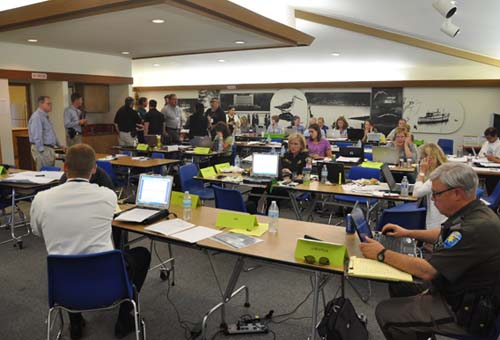
Test the organization’s response in conducting an initial investigation into searching for a missing or abducted child using the Incident Command System. Employ strategies and responses in mitigating and resolving the emergency. Participate in a multidisciplinary tabletop exercise to build cohesiveness within the investigative team when responding to an emergency.

Child sex trafficking of missing children is among the most challenging of child exploitation crimes to investigate. Examine the complexity of the crime and the business model it operates within, including the roles of the trafficker, trafficker accomplices, and buyers. Identify how each contributes to the commission of the crime and what evidence is available and needed to build cases against them. Recognize the differences between a traditional child abuse suspect interview and a trafficker interview, as well as the distinctions between field and investigative victim interviews. Bring all of these pieces together to build solid cases against those who exploit our most vulnerable children.

Child sex trafficking (CST) is like no other crime. Victimization may happen hundreds of times and can be difficult to identify due to the victims being missing children coupled with the trafficker’s hold on victims. Dissect the crime of CST, its complex nature, and discover how to investigate this crime fully. Develop trauma-informed approaches to ensure your victim interview does not retraumatize and you gain critical information to identify corroborative evidence. Examine the trafficker’s profile and motivation, how they impact your suspect interview, and proven suspect interview strategies. Recognize common evidence available, legal hurdles, and common defenses of traffickers.

Discover methods and techniques for processing the crime scene of a child abduction. Identify procedures to properly document, collect, and process vital evidence when time is of the essence. Recognize the impact of the environment, proper scene acquisition and etiquette, proper supervision, and courtroom testimony on your case. Develop skill sets which can lead to the recovery of an abducted child and the criminal conviction of the abductor.

In the initial response to endangered missing or child abduction incidents, accurate and timely situational assessments and immediate resource deployment are critical. During this training, first responders will gain knowledge of the investigative activities that occur during an endangered missing or child abduction investigation, and how their actions influence the short- and long-term response of law enforcement. Learn the impact the missing and or abducted child incident has on the family and how this can impact your response. Examine the critical and necessary first steps for first responders, initial supervisory, and investigative response. Gain best practices strategies for search and canvass implementation.

Understand, recognize, and investigate cases involving missing and abducted children. Determine scope and scale issues and how to manage a missing or abducted child case. Explore crime scene evidence collection and processing, profiling suspects, and legal issues, including search warrants and interrogation related to a missing or abducted child.