This first session was a listening session to kick off a Community of Practice (CoP) series. Future topics will be developed from this session.

This foundational session explores how cultural identity, traditions, and community belonging serve as powerful protective factors in tribal probation and reentry work. Participants will examine strategies for integrating tribal customs, ceremonies, elders, language, and storytelling into supervision and case planning. The session will also address the impact of historical trauma—including colonization, forced removal, and systemic marginalization—on justice-involved tribal individuals and communities. Emphasis will be placed on culturally grounded, strengths-based approaches that honor Indigenous knowledge systems while supporting healing, accountability, and reintegration.

This session emphasizes the importance of collective reintegration in tribal communities. Participants will explore the roles of family, clan, and tribal systems of support in probation and reentry work. The session will focus on how to coordinate effectively with tribal courts, behavioral health, housing, education, spiritual leaders, and culture keepers. Emphasis will be placed on incorporating culturally grounded practices like Talking Circles, Peacemaking, and restorative approaches that reflect community values and shared responsibility.

This session focuses on how to integrate modern evidence-based practices (EBPs) with Indigenous knowledge systems in tribal justice settings. Participants will examine how to adapt risk/need assessments, cognitive-behavioral interventions, Motivational Interviewing, and trauma-informed supervision to align with traditional practices and cultural contexts. The session encourages co-design with community members and emphasizes strengths-based, land-based, and ceremonial healing approaches.
When working on missing and exploited children’s cases within Indian Country, it is important to value the differences, understand and adapt to the culture, and recognize that various dynamics exist. Through this webinar, you will obtain a better understanding of the tribal community and its system of shared values, beliefs, and rituals that are learned and passed on through generations. Furthermore, you will gather best practices and examples to reduce barriers and increase trust when working on missing and exploited children’s cases on tribal lands.
Through this second webinar of a 2-part webinar series on "Cultural Considerations when Working within Indian Country," you will gain a better understanding of tribal jurisdictions and its impact on investigations in Indian Country. Join us to examine the history of tribal communities' and how cultural values can impact interactions when working with victims of exploitation. Review best practices to recognize, identify and assist high-risk children living on tribal lands.

Peer recovery support services (PRSS) are increasingly offered across diverse community, criminal justice, and healthcare settings to address opioid, stimulant, and other substance use disorders, as well as mental health and co-occurring disorders. This session will explore considerations for developing culturally responsive Recovery Community Organizations (RCOs) specific to Native American populations, to include the Wellbriety Movement, founded by White Bison, whose mission is to “disseminate culturally based principles, values, and teaching to support healthy community development and servant leadership, and to support healing from alcohol, substance use, co-occurring disorders, and intergenerational trauma.” We will highlight the Warrior Down Program, a peer-to-peer program designed to assist Native Americans by providing support and resources to assist them on their path to recovery, with a goal of reducing recidivism.
Children are often prepared for other types of appointments: doctor visits, dentist visits, therapy; so how do we adequately prepare a child for a forensic interview? What should we share with them and how to do so in a child friendly manner? Learn the best ways to adequately prepare a child, post disclosure, for their forensic interview.

Examine a non-confrontational, rapport-based approach to interviewing suspects in cases of stereotypical child abduction, where sexual assault or homicide may be involved. Rather than relying on predetermined themes, investigators will learn how to influence suspects to provide their own justifications or excuses --creating a psychological pathway for the disclosure of detailed information about the crime. The emphasis is on establishing trust, listening carefully to the suspect's account, and presenting evidence through a sincere, non-threatening approach. This method aims to help investigators uncover the truth while avoiding aggressive tactics that could lead to resistance or false statements. Participants will learn how to balance active listening with strategic contradictions to get to the truth.
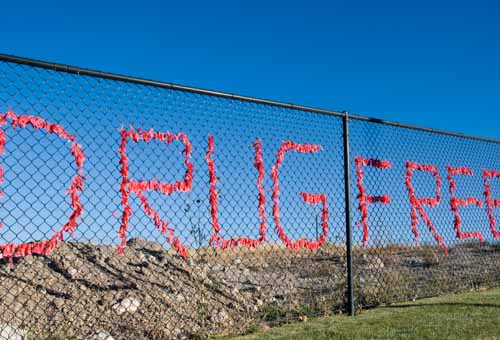
One way to promote a drug free community is to create more awareness of the issue within the community. Take the first step by planning a Community Drug Awareness Presentation. During this presentation, your attendees will learn about opiates and methamphetamines which have gained in popularity and negatively impacted your community. They will learn how substance misuse is affecting youth, to recognize behaviors that are associated with substance misuse, and what medical responses are necessary.