This intensive three-day training program is designed to provide advanced strategies for effectively investigating, supporting and prosecuting domestic violence cases. Participants will gain a deeper understanding of the complexities of domestic violence-related cases, including working with non-cooperative victims, assessing risk, and gathering critical evidence from the start. The course emphasizes practical skills for conducting investigations, victim support, and courtroom preparation. Through expert-led discussions and case studies, attendees will leave with actionable tools to enhance their approach and improve outcomes in domestic violence related cases.

Technology impacts almost every type of investigation today. Uncover the information technology users knowingly and unknowingly leave behind when accessing and using electronic devices. Learn how to covertly strengthen your investigations through gathering personal, public, and open-source data. Discuss techniques to locate evidence through technologies that can benefit any type of investigation.

Explore investigative strategies that address the relationship between child sexual abuse and child sexual abuse materials (child pornography) to supplement an investigation and corroborate victim statements. Gather new tools and resources for the most comprehensive case outcomes.

Avoid potential conflict both professionally and personally by learning to organize your thinking and respond calmly. Consider the approaches you can take to prevent and respond to verbal conflict. This course will explore the communication process, conflict prevention, to help you understand why conflicts occur. Instruction will also cover certain circumstances in which verbal de-escalation techniques may not be appropriate, and provide techniques to resolve such conflicts. Join us to learn how de-escalation techniques and communication skills can potentially defuse tense situations and lead to more successful outcomes. This training does not cover physical intervention techniques.

Courthouses serve as vital centers of government and community life, making them frequent targets for both calculated and impulsive acts of violence. Unfortunately, despite these clear risks, court security is often overlooked. This course is designed to counter such threats by enhancing staff readiness, learning to conduct thorough physical security assessments, rigorously enforcing safety protocols, and establishing specialized protective security teams. Crafted for both newcomers to court law enforcement and seasoned professionals looking to sharpen and extend their skill sets, the program offers flexible security strategies that can be adapted for a wide range of judicial settings—from municipal and tribal courts to more formal state-level systems.
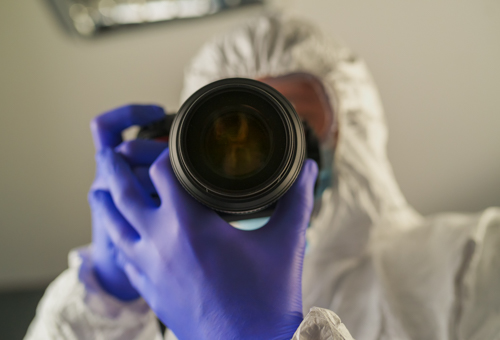
Explore strategies for conducting death investigations that occur from several origins. Learn how to evaluate the crime scene, conduct effective interviews and interrogations, develop case leads, utilize investigative resources (crime laboratories, medical examiners), and comprehend medical autopsies.

Explore strategies for conducting comprehensive sexual assault investigations. Learn how to support victims, gather and maintain evidence, manage crime scenes, conduct effective interviews and interrogations, utilize investigative resources (SANE nurses and support services), and prepare cases for prosecution.

Gain an introduction into the psychology, or mindset, of those that commit sexually motivated crimes. Learn about sex offender typologies and patterns of behavior. Explore the relationship between paraphilia such as exhibitionism, voyeurism, and fetishism and criminal acts. Review and dissect real case examples to gain insight into offender modus operandi. Knowledge obtained can be applied during interview and interrogation to help resolve sexually motivated cases.

Examine suspicious death case studies based on the experiences of a homicide detective and forensic pathologist. Identify key scene findings, review actual cases and correlate these findings to the autopsy results. This course will discuss improving case outcomes through strong relationships between investigating agencies and the medical examiner’s office. Students will gain appreciation of how unique case features can affect the direction of the investigation. The ultimate resolution of each case examined will be considered and applied lessons learned are shared during the course.

Community events come in all shapes and sizes. Nationally, communities face events and related threats that demand preparation, response, and recovery planning. This course will cover identification of threats; assessment of sites; planning for and response to multiple threats (i.e., manmade and natural events); and recovery from critical incidents.