Solicitation for Emmett Till Cold Case Investigations and Prosecutions Program Micro Grant

Improve investigative techniques and prosecutorial efforts needed to successfully decipher unresolved and cold cases. Explore essential investigative, forensic and prosecution methodologies through the dissection of actual cases, best practice examples, interactive discussions, and contemporary resources. Learn proven strategies to avoid complications that are detrimental to the prosecution of cold cases. Discuss practices relevant to the establishment and maintenance of an efficient cold case unit.
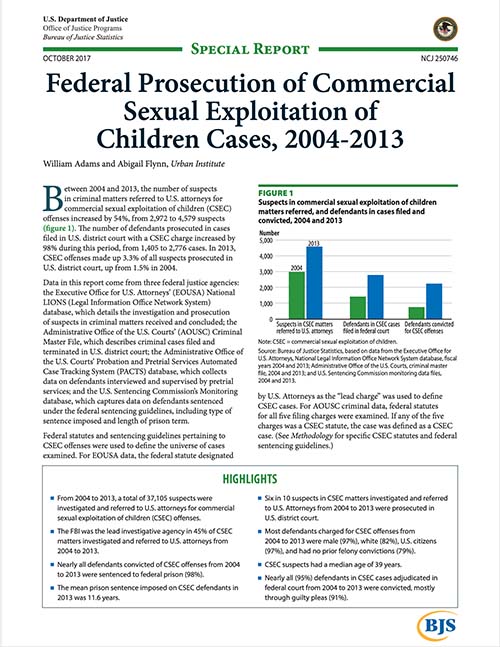
October 2017, Bureau of Justice Statistics Special Report. William Adams and Abigail Flynn, Urban Institute.
Suspicious deaths can take months or even years to solve. Collaboration is key to a positive outcome for victims and their families. Bill Hanson shares three critical ways to ensure success in your death investigation cases.

This training prepares participants to identify critical data on Android® devices before a forensic examination. Participants will learn what to collect beyond photos, text messages, and apps, including usage data and system artifacts. The course also explores how Google® accounts and cloud-stored information integrate with Android devices to support investigative efforts.

PPT Slides for Proficiency Creates Simplicity: Cross Platform Investigations for Tribal Probation Officers webinar - 508C

Transcript for Proficiency Creates Simplicity: Cross Platform Investigations for Tribal Probation Officers webinar - 508C
Do you investigate sex offenses involving children? Do you establish a connection between the people who seek out and view child sexual abuse material and those who may be child sexual abusers? Pauline Renick shares three investigative tips for cases involving sex offenses and children.
Why should sexual assault investigations begin with belief? How does being trauma informed lead to successful investigations and prosecutions? Kathryn Marsh shares three critical ways to focus on victims during investigations.
Examine proven methodologies associated with the management and supervision of those responsible for the investigation of unresolved child homicides, identification of unidentified human remains and the location of long-term missing children. Explore the critical administrative and supervisory strategies necessary for the resolution of these cases. Demonstrate the importance of a multidisciplinary approach using innovative methodologies and current forensic capabilities to achieve resolution on cases.