911 Telecommunicators are the first line of response in urgent high-stakes situations and few scenarios are as critical as missing children calls. This webinar will guide participants in identifying key details from calls, understanding the different types of missing children incidents, and recognizing the vital role of 911 Telecommunicators in the investigative process. Through the analysis of real 911 calls, attendees will enhance their ability to quickly gather crucial information and respond effectively to one of the most significant calls a 911 Telecommunicator can handle.

From the initial 911 call to the courtroom, real-time crime analysis and rapidly evolving technology are transforming how law enforcement solves crimes and delivers justice faster than ever before. Join us for an engaging webinar that explores the digital tools, forensic innovations, and data-driven strategies that are reshaping modern criminal investigations — both today and into the future. With the belief that we are all digital detectives; this session will take a closer look at the latest advancements powering today’s investigative efforts. As we work to increase solve rates and better serve victims in our communities, the integration of technology into every phase of an investigation is proving essential. Attendees will gain insight through real-world case studies and practical examples that highlight how these tools are being used in the field to solve crimes more efficiently, accurately, and with fewer resources.
Law enforcement has seen an increase in calls for service involving those who have Autism. The most common call for service is the "critically at risk" missing persons calls. However, there has been an increase in general calls for service as well. According to the CDC, in the last ten years, the prevalence of Autism has gone from 1 in 150 births to 1 in 68 births. During this webinar, we will review the current trends in reference to law enforcement and the Autism community. You will learn proven techniques to ensure positive and effective interactions with the Autism community as it relates to general calls for service, as well as calls for wandering and elopement.

911 Telecommunicators are the FIRST responders. They take the call for help and ensure officers are dispatched armed with information and a sense of urgency. This webinar will increase comprehension about the hidden nature of child sex trafficking (CST) and provide a better understanding of the crime of CST and other crimes which intersect with it. The types of calls a dispatcher will receive related to CST will be examined with clear steps which should be taken. The vital role 911 telecommunicators play in identifying CST victims and ensuring they are rescued will be assessed.

Children are often prepared for other types of appointments: doctor visits, dentist visits, therapy; so how do we adequately prepare a child for a forensic interview? What should we share with them and how to do so in a child friendly manner? Learn the best ways to adequately prepare a child, post disclosure, for their forensic interview.

Learn how to objectively investigate child death cases, particularly when the cause and manner of death is unexplained. Examine investigative mindset from initial call-out to case resolution and learn how to gain an understanding of what happens with a victim-centered approach, exploring the emotional trauma of the non-offending caregiver. Discuss possible causes of death and best practices and tips including various investigative steps for evidence collection, witness and suspect interviews. This basic course offers law enforcement, CPS, and other child death investigators up-to-date practices for the investigation of child deaths.

Comprehend the prevalence of CST and examine its hidden in plain sight nature. Identify risk factors which lead children to become CST victims. Explore the methods traffickers use to lure children and their business model with which they sell them. Compare proactive responses to reactive responses by the system.

Explore techniques to recognize drug influence when conducting home visits, search and seizure, or during other interactions with probationers. Develop the critical skills to recognize common paraphernalia and the signs and symptoms of persons under the influence of stimulants, hallucinogens, opiates, marijuana, alcohol, depressants, inhalants, and dissociative anesthetics through hands-on instruction.

Learn how tribal courts can develop integrated Domestic Violence Courts to adjudicate all aspects of cases involving Domestic Violence including protection orders, violation of those orders, child custody and visitation, property issues and other aspects to avoid conflicting orders and ensure victim safety.
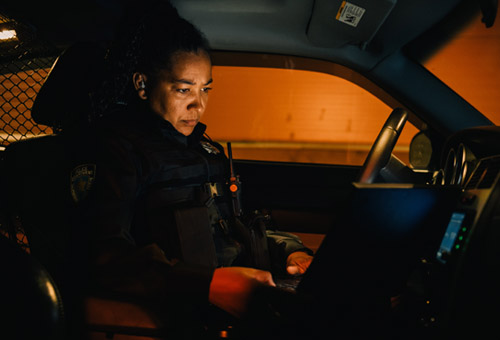
Child Sex Trafficking (CST) is a crime that is hidden yet in plain sight. First responders are often the first system members to make contact with a CST victim. A CST victim has been heavily groomed for system contact, is fearful of their trafficker, and often not forthcoming about their exploitive situation. Deconstruct the crime of CST and identify common scenarios in which you may come in contact with a CST victim. Discover victim-centered contact practices you can implement which are specific to CST victims. Recognize how to secure vital evidence which may only be available during your initial contact with the victim. Practice group exercises and develop contact and response plans to common scenarios you may encounter.